

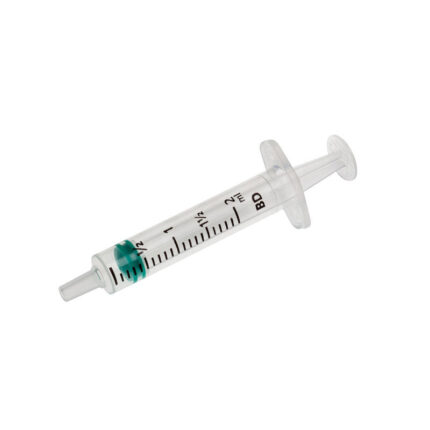

Syringes 5 ml – Becton Dickinson
$25.00
Where To Buy Syringes
The story of syringes is a fascinating journey that reflects the evolution of healthcare over the centuries. The earliest known use of syringes dates back to ancient Egypt, where hollow reeds were used to extract fluids from the body. Fast forward to the 9th century, and we see the first documented use of a syringe by the Persian physician Al-Razi, who utilized a simple syringe to perform medical procedures.
By the 17th century, syringes began to take on a more recognizable form. The invention of the glass syringe allowed for greater hygiene and visibility of contents, paving the way for more precise medical applications. However, it wasn’t until the 19th century, with the advent of rubber and metal components, that syringes became more commonplace in medical practices. The introduction of the hypodermic syringe in 1853 by Alexander Wood revolutionized how medications were administered, marking a significant milestone in medical history.
Today, syringes are essential tools in various medical fields, ranging from vaccinations to chronic disease management. Their design has continued to evolve, incorporating advanced materials and technologies to enhance patient safety and efficacy. As we explore the different aspects of syringes, it becomes clear that their evolution has been driven by both medical necessity and technological advancement.
Understanding Different Types of Syringes: BD, Insulin, and More
With so many types of syringes available in the market, it can be overwhelming to understand which is suitable for specific needs. One of the most recognized brands in the syringe industry is BD (Becton, Dickinson and Company), known for its wide range of syringes and needles. BD syringes are widely used due to their reliability and precision, making them a preferred choice among healthcare professionals.
Another common type of syringe is the insulin syringe, specifically designed for diabetic care. These syringes come in various sizes and are tailored to administer precise doses of insulin. Understanding the different types of insulin syringes, such as U-100 and U-40, is crucial for effective diabetes management. The proper selection of syringes ensures that patients receive the correct dosage, optimizing their treatment plans.
In addition to these, there are specialized syringes for other medical applications, including prefilled syringes, which offer convenience and reduce the risk of contamination. Learning about the various types of syringes can help healthcare providers and patients make informed decisions regarding treatments, ensuring safety and efficacy in medication administration.
The Anatomy of a Syringe: Components and Their Functions
Understanding the anatomy of a syringe is essential for both healthcare providers and patients. A typical syringe consists of several key components: the barrel, plunger, and needle. The barrel is the cylindrical part that holds the medication, marked with measurement lines for accurate dosing. The plunger fits snugly inside the barrel and is used to draw up or expel the liquid.
The needle, often the most intimidating part for patients, comes in various gauges and lengths. The gauge indicates the thickness of the needle; a higher gauge number means a thinner needle. For instance, a 30-gauge needle is typically used for insulin syringes, while larger gauges may be employed for other medical procedures. Understanding these components and their functions can demystify the process of using syringes and help alleviate any fears associated with injections.
Additionally, there are safety features that have been integrated into modern syringes. Many syringes now come equipped with needle safety mechanisms that help prevent needlestick injuries, a significant concern in healthcare settings. By familiarizing ourselves with the anatomy and features of syringes, we can better appreciate their design and functionality, ultimately leading to safer and more effective use.
Choosing the Right Syringe: Sizes, Gauges, and Specialized Uses
Selecting the right syringe involves understanding several factors, including size, gauge, and intended use. Syringes come in various sizes, typically ranging from 0.5 mL to 60 mL, with the most common sizes being 1 mL, 3 mL, and 5 mL. For instance, when administering insulin, a smaller syringe is often preferred for accurate dosing.
The gauge of the needle is equally important. For instance, if you are administering vaccines or drawing blood, a larger gauge needle may be necessary to accommodate thicker fluids. Conversely, for subcutaneous injections or insulin delivery, finer needles are more appropriate to minimize discomfort. Understanding the relationship between syringe size, needle gauge, and the specific medication being administered can lead to more effective treatments and improved patient experiences.
Moreover, specialized syringes have emerged for unique applications. For example, certain syringes are designed for pediatric use, featuring shorter needles and smaller barrels for comfort and accuracy. In contrast, larger syringes are often used in veterinary medicine. By considering these factors, we can ensure that we select the most suitable syringe for each particular situation.
Insulin Syringes: A Closer Look at Diabetic Care
Insulin syringes are a vital component of diabetes management, providing patients with the tools they need to self-administer insulin safely and effectively. These syringes are specifically designed for injecting insulin, featuring markings that correspond to insulin dosage measurements. Understanding the different types of insulin syringes—such as U-100 insulin syringes, which deliver doses of 100 units per milliliter—is crucial for effective diabetes care.
The design of insulin syringes often includes features aimed at enhancing usability and comfort. For example, many insulin syringes have ultra-fine needles that minimize injection pain, making them more tolerable for daily use. Additionally, some syringes come with safety caps that help protect users from accidental needle sticks, enhancing overall safety.
When searching for insulin syringes, patients often ask, “Where can I buy insulin syringes over the counter?” Most pharmacies carry insulin syringes, and patients can also find them online. By understanding the options available, patients can ensure they have access to the supplies they need for effective management of their condition.
Where to Buy Syringes: Over-the-Counter Options and Prescriptions
If you’re wondering where to buy syringes, you’ll be pleased to know that they are widely available both over the counter and through prescriptions. Most pharmacies stock various types of syringes, including BD syringes, insulin syringes, and specialized options for particular medical needs. When visiting a pharmacy, it’s essential to ask for assistance if you’re unsure about which syringe is appropriate for your requirements.
For diabetic patients, insulin syringes can often be obtained without a prescription, making it convenient to manage their condition. However, some states may have regulations regarding the purchase of syringes in bulk or specific types of syringes, so it’s always a good idea to check local laws and pharmacy policies.
In addition to brick-and-mortar pharmacies, online platforms have become increasingly popular for purchasing syringes. Many reputable medical supply companies offer a wide range of syringes that can be delivered directly to your home. This option is particularly beneficial for those who may find it challenging to visit a pharmacy in person, ensuring they have the necessary supplies for their healthcare needs.
Safe Disposal of Needles and Syringes: Best Practices and Local Resources
The safe disposal of needles and syringes is a critical aspect of healthcare that must not be overlooked. Improper disposal can lead to needlestick injuries and environmental hazards. Therefore, it is essential to follow best practices for disposing of used syringes. One of the most effective methods is to use a designated sharps container, which is specifically designed to safely hold used needles and syringes until they can be disposed of properly.
Many communities offer local resources for syringe disposal, including drop-off locations and collection programs. It’s vital to familiarize yourself with these options to ensure that you dispose of your needles responsibly. Additionally, some pharmacies and healthcare facilities provide safe disposal services, allowing patients to return their used syringes for safe handling.
When asking, “Where to dispose of needles and syringes near me?” it is advisable to check with local health departments or waste management authorities. Many municipalities have guidelines and resources available for safe disposal, making it easier for individuals to comply with regulations and protect public health.
Innovative Syringe Designs: ENFit and Easy Touch Technologies
As technology continues to advance, so does the design of syringes. One noteworthy innovation is the ENFit syringe, which features a unique connector designed to prevent misconnections during medication administration. This design is particularly beneficial for patients who rely on enteral feeding, ensuring safety and accuracy in delivering nutrition.
Another innovative option is the Easy Touch syringe, which emphasizes user-friendliness and comfort. These syringes often come with features such as ergonomic grips and ultra-fine needles, making injections less painful and more manageable for patients. These advancements not only enhance patient experiences but also promote adherence to treatment regimens.
The ongoing evolution of syringe technology highlights the importance of patient-centered design in healthcare. By prioritizing user experience and safety, manufacturers are continually improving the tools used in medical practices, ultimately leading to better patient outcomes.
Beyond Medical Use: Syringes in Culinary Applications
Syringes are not limited to medical use; they have found their place in the culinary world as well. Chefs and home cooks alike utilize syringes for precision when adding ingredients, decorating plates, or creating intricate designs. For example, jello shot syringes have become a popular party item, allowing for fun and creative presentations of cocktails and desserts.
Culinary syringes offer the same precision as their medical counterparts, with the added benefit of being designed for food safety. These syringes can be used to inject flavor into meats, fill pastries, or even create elaborate dessert presentations. Understanding the versatility of syringes in the kitchen can inspire creativity and enhance culinary skills.
Moreover, the use of syringes in culinary applications emphasizes the adaptability of this tool. Just as syringes have evolved in medicine, their innovative use in cooking showcases their multifunctional capabilities, bridging the gap between health and creativity.
The Future of Syringes: Advancements in Design and Technology
Looking ahead, the future of syringes promises exciting advancements in design and technology. One area of focus is the development of smart syringes equipped with sensors and connectivity features that can track medication administration and provide real-time data to healthcare providers. This technology could enhance medication adherence and improve patient outcomes, especially for those managing chronic conditions.
Additionally, biodegradable syringes are being explored as a solution to reduce environmental impact. These syringes can be made from sustainable materials, providing a more eco-friendly alternative to traditional plastic syringes. The shift towards environmentally conscious practices in healthcare is gaining momentum, and syringe design is no exception.
As we move forward, it’s essential to stay informed about these developments. By embracing innovative technologies, we can improve the safety and efficacy of medication administration, ultimately enhancing patient care and healthcare delivery.
Syringe Safety: Proper Handling and Storage Guidelines
Ensuring the safety of syringes extends beyond their disposal; proper handling and storage are equally important. When handling syringes, it’s crucial to wash your hands thoroughly before and after use to minimize the risk of contamination. Additionally, always inspect the syringe and needle for any signs of damage before use to ensure they are safe for administration.
Storage of syringes should also be considered. Syringes should be kept in a clean, dry place away from direct sunlight and extreme temperatures. If you are using prefilled syringes, it’s vital to follow the manufacturer’s recommendations for storage and expiration dates to maintain efficacy.
By adhering to these safety guidelines, we can promote a safer healthcare environment and reduce the risk of infection or complications associated with improper syringe use.
Navigating Syringe Regulations: What You Need to Know
Navigating syringe regulations can be complex, as they vary by state and country. Understanding local laws regarding the purchase, use, and disposal of syringes is essential for compliance and safety. Some regions may require prescriptions for specific types of syringes, particularly those used for controlled substances or specialized medical needs.
Additionally, there are regulations regarding the disposal of syringes to prevent public health risks. Many communities have established protocols for the safe disposal of sharps to protect waste management personnel and the environment. It’s crucial to stay informed about these regulations and adhere to local guidelines to ensure compliance and safety.
For those seeking information on syringe regulations, I recommend consulting local health departments or pharmacy resources. They can provide valuable insights into the laws governing syringe use in your area, helping you navigate any complexities.
Syringe Alternatives: Exploring New Methods of Medication Delivery
As medical technology progresses, alternatives to traditional syringes are emerging. These innovations aim to enhance patient comfort and adherence while minimizing risks associated with needle use. One popular alternative is the auto-injector, a device designed to deliver a pre-measured dose of medication with the push of a button. This method eliminates the need for manual injections, making it easier for patients to self-administer their medications.
Another promising alternative is the transdermal patch, which allows for the gradual release of medication through the skin. This method is particularly beneficial for patients who may be apprehensive about needles or require long-term medication management. The convenience of these alternatives can significantly improve patient experiences and adherence to treatment plans.
Exploring these alternatives provides valuable insights into the future of medication delivery. By embracing new technologies, we can enhance patient care and expand options for those requiring medical treatments.
The Impact of Syringes on Global Healthcare: Improving Patient Outcomes
Syringes have played a pivotal role in shaping global healthcare practices. Their introduction has facilitated the safe and effective administration of medications, vaccines, and treatments worldwide. In developing countries, access to clean syringes has been linked to a reduction in the spread of infectious diseases, highlighting their significance in public health initiatives.
Furthermore, the ability to accurately deliver medications has transformed chronic disease management, allowing patients to maintain better control over their conditions. For instance, the availability of insulin syringes for diabetic patients has empowered individuals to manage their health effectively, improving overall quality of life.
As we reflect on the impact of syringes on global healthcare, it’s essential to recognize the ongoing challenges and opportunities for improvement. By continuing to innovate and prioritize safety in syringe design and use, we can further enhance patient outcomes and contribute to healthier communities.
FAQ
- What are BD syringes?
- BD syringes are manufactured by Becton, Dickinson and Company and are known for their reliability and precision in various medical applications.
- Where can I find insulin syringes near me?
- Insulin syringes can typically be found at local pharmacies or online medical supply stores.
- What should I do with used syringes?
- Used syringes should be disposed of in a designated sharps container and taken to local disposal sites or returned to healthcare facilities that offer disposal services.
- What are the different types of syringes available?
- Syringes come in various types, including insulin syringes, prefilled syringes, auto-injectors, and specialized syringes for veterinary use.
- How do I know which syringe to use?
- The choice of syringe depends on the medication being administered, the required dosage, and the patient’s specific needs. Consulting with a healthcare provider can help guide this decision.
Conclusion: The Ongoing Evolution of Syringe Technology
In conclusion, the evolution of syringes has been marked by significant advancements in design, technology, and applications. From their ancient origins to their modern-day use in healthcare and culinary arts, syringes have proven to be versatile tools with a profound impact on patient care. As we continue to explore new technologies and methods of medication delivery, it’s essential to prioritize safety, efficacy, and patient-centered design.
By understanding the various types of syringes, their anatomy, and proper usage, we can enhance our experiences and outcomes in both medical and everyday applications. I encourage you to stay informed about the latest developments in syringe technology and practices, as they play a crucial role in our health and well-being.
If you’re looking for more information on syringes or need assistance with your specific needs, don’t hesitate to reach out to a healthcare professional or explore reputable resources. Together, we can navigate the ongoing evolution of syringe technology and improve our health outcomes.
For more information on syringes and their various applications, subscribe to our newsletter or visit our resource center today!
Buy Syringes 5 ml Syringes & Needles Online – Becton Dickinson
MANUFACTURER Becton Dickinson
WAREHOUSE International Warehouse 2
SUBSTANCE Accessories,


Reviews
There are no reviews yet.