
Blog
Testosterone Cypionate: Benefits, Dosage, and Side Effects (Ultimate Guide 2026)


Testosterone Cypionate
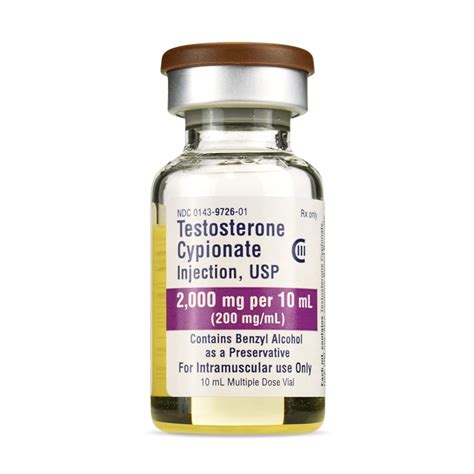
Testosterone cypionate remains one of the most widely prescribed testosterone esters in 2026, serving as a cornerstone of testosterone replacement therapy (TRT) for men with clinically diagnosed hypogonadism. This injectable form of testosterone has maintained its popularity among both patients and healthcare providers due to its reliable absorption profile, manageable half-life, and established safety record when properly administered under medical supervision.
As our understanding of hormone optimization continues to evolve, testosterone cypionate dosage protocols have become increasingly personalized, moving away from one-size-fits-all approaches toward individualized treatment plans based on specific patient factors. This comprehensive guide examines the latest evidence-based information on testosterone cypionate, including its medical applications, optimal dosage strategies, administration techniques, potential benefits, and important safety considerations.
Whether you’re currently on testosterone cypionate therapy, considering treatment options with your healthcare provider, or simply researching hormone replacement alternatives, this guide provides the essential information needed to make informed decisions about testosterone cypionate dosage and administration in 2026.
What Is Testosterone Cypionate?
Testosterone cypionate is an injectable form of testosterone that has been chemically modified by attaching a cypionate ester to the testosterone molecule. This esterification process is crucial to understanding how testosterone cypionate dosage works in the body.
Chemical Structure and Ester Profile
The chemical name for testosterone cypionate is testosterone 17β-cyclopentylpropionate. The cypionate ester consists of a cyclopentane ring attached to the 17-beta position of the testosterone molecule via a propionate chain. This specific molecular structure directly influences testosterone cypionate dosage requirements and injection frequency.
The addition of the cypionate ester serves several important purposes:
- Extended Release: The ester increases the molecule’s lipophilicity (fat solubility), allowing it to be stored in fatty tissue after injection and gradually released into the bloodstream.
- Prolonged Half-Life: The cypionate ester slows the rate at which the body metabolizes testosterone, extending its half-life to approximately 8 days.
- Stable Blood Levels: The gradual release mechanism helps maintain more consistent testosterone levels between injections compared to unmodified testosterone.
These properties directly influence testosterone cypionate dosage protocols, typically allowing for once or twice weekly administration rather than daily injections.
How It Differs from Other Testosterone Esters
Understanding the differences between testosterone esters helps explain why specific testosterone cypionate dosage protocols may be preferred for certain patients:
| Testosterone Ester | Approximate Half-Life | Typical Injection Frequency | Notable Characteristics |
|---|---|---|---|
| Cypionate | 8 days | Weekly or biweekly | Popular in US, oil-based |
| Enanthate | 7 days | Weekly or biweekly | Similar to cypionate, more common internationally |
| Propionate | 2-3 days | Every 2-3 days | Faster acting, more frequent injections |
| Undecanoate | 20-30 days | Every 10-14 weeks | Longest acting, less frequent injections |
The choice between these esters often depends on patient preference, provider experience, and specific treatment goals. Testosterone cypionate dosage protocols are particularly valued for striking a balance between injection frequency and stable hormone levels, making it a preferred option for many TRT patients in the United States.
Medical Uses of Testosterone Cypionate
Testosterone cypionate is FDA-approved for specific medical conditions, with testosterone cypionate dosage carefully determined based on the nature and severity of the condition being treated.
Testosterone Deficiency (Hypogonadism)
The primary medical indication for testosterone cypionate is male hypogonadism, a condition characterized by insufficient testosterone production by the testes. Hypogonadism is typically diagnosed when a man presents with:
- Clinical symptoms of low testosterone (fatigue, reduced libido, erectile dysfunction, decreased muscle mass, depressed mood, etc.)
- Laboratory confirmation of low testosterone levels (typically below 300 ng/dL) on at least two morning blood tests
Hypogonadism can be classified as:
- Primary hypogonadism: Testicular failure due to genetic conditions, injury, infection, or radiation
- Secondary hypogonadism: Dysfunction of the hypothalamic-pituitary axis that controls testicular function
- Mixed hypogonadism: A combination of both primary and secondary factors
For each type, testosterone cypionate dosage is calibrated to restore testosterone levels to the mid-normal physiological range, typically between 500-800 ng/dL, though optimal ranges may vary by individual.
TRT and Long-Term Hormone Management
Beyond simply treating low testosterone levels, testosterone cypionate is used as part of comprehensive testosterone replacement therapy (TRT) programs focused on long-term hormone optimization. In this context, testosterone cypionate dosage is carefully adjusted to:
- Alleviate symptoms associated with testosterone deficiency
- Restore physiological function across multiple body systems
- Prevent complications associated with chronic low testosterone
- Maintain quality of life over extended periods
Modern TRT approaches in 2026 emphasize personalized testosterone cypionate dosage protocols that account for individual response, symptom relief, and biomarker monitoring rather than simply targeting specific testosterone numbers.
Benefits of Testosterone Cypionate
When prescribed appropriately, testosterone cypionate can provide significant benefits for men with clinically diagnosed hypogonadism. The specific benefits experienced depend on the individual’s baseline testosterone levels, testosterone cypionate dosage, and overall health status.
Improved Energy and Libido
One of the most commonly reported benefits of optimized testosterone cypionate dosage includes:
- Increased energy levels and reduced fatigue
- Enhanced sexual desire and improved libido
- Better erectile function and sexual performance
- Greater sexual satisfaction and improved intimate relationships
These improvements typically begin within 3-6 weeks of starting treatment, though full benefits may take 3-6 months to develop as testosterone cypionate dosage is optimized.
Muscle Mass and Strength Support
Testosterone plays a crucial role in muscle protein synthesis and maintenance. Appropriate testosterone cypionate dosage can help:
- Increase lean muscle mass when combined with resistance training
- Improve strength and power output during physical activities
- Enhance recovery from exercise and physical exertion
- Reduce age-related muscle loss (sarcopenia)
These effects are particularly valuable for older men experiencing age-related muscle decline, though they require appropriate testosterone cypionate dosage combined with regular physical activity to achieve optimal results.
Mood, Cognition, and Bone Density Effects
Beyond the more obvious physical benefits, properly managed testosterone cypionate dosage can positively impact:
- Mood stability with reduced irritability and improved sense of well-being
- Cognitive function, including better concentration and mental clarity
- Bone mineral density helps prevent osteoporosis and fracture risk
- Body composition with reduced fat mass, particularly visceral fat
These benefits highlight why testosterone cypionate dosage must be carefully calibrated—too little may not provide sufficient benefit, while excessive dosing can increase the risk of adverse effects.
How Testosterone Cypionate Works
Understanding the pharmacokinetics of testosterone cypionate helps explain why specific testosterone cypionate dosage protocols are recommended and how the medication functions within the body.
Absorption and Release Rate
After intramuscular or subcutaneous injection, testosterone cypionate undergoes a predictable pattern of absorption and release:
- Depot Formation: The oil-based solution forms a depot (reservoir) in the tissue at the injection site
- Gradual Hydrolysis: Enzymes slowly cleave the cypionate ester from the testosterone molecule
- Systemic Circulation: Free testosterone enters the bloodstream and binds to transport proteins
- Tissue Action: Testosterone interacts with androgen receptors throughout the body
This process directly influences testosterone cypionate dosage recommendations, as the gradual release mechanism allows for less frequent injections compared to shorter-acting testosterone formulations.
Half-Life and Blood Level Stability
The pharmacokinetic profile of testosterone cypionate is characterized by:
- Terminal half-life of approximately 8 days
- Peak levels typically occur 24-48 hours post-injection
- Gradual decline over the following days
- Trough levels reached just before the next scheduled dose
This profile creates a pattern of rising and falling testosterone levels that must be considered when determining optimal testosterone cypionate dosage and injection frequency. While cypionate provides more stable levels than shorter-acting esters, it still produces fluctuations that some patients may find noticeable.
In 2026, many clinicians are utilizing more frequent, smaller testosterone cypionate dosage protocols (such as twice weekly injections) to minimize these fluctuations and provide more physiologic testosterone patterns.
Testosterone Cypionate Dosage Guide
Determining the appropriate testosterone cypionate dosage is a highly individualized process that depends on multiple factors including baseline hormone levels, symptom presentation, body composition, and treatment goals.
Typical TRT Dosage Ranges
Standard testosterone cypionate dosage protocols for TRT typically fall within these ranges:
- Starting dose: 100-200 mg per week total, divided into 1-2 injections
- Maintenance dose: 80-200 mg per week total, adjusted based on response
- Microdosing approach: 10-20 mg daily via subcutaneous injection
These ranges provide general guidelines, but optimal testosterone cypionate dosage varies significantly between individuals. The goal is to use the minimum effective dose that relieves symptoms while maintaining testosterone levels within the physiological range and minimizing side effects.
Injection Frequency (Weekly vs Biweekly)
The frequency of testosterone cypionate injections directly impacts hormone stability and symptom management:
Weekly Injections:
- Most common testosterone cypionate dosage protocol
- Provides reasonable hormone stability
- Convenient for many patients
- Example: 100-200 mg once per week
Twice Weekly Injections:
- Increasingly popular approach in 2026
- Provides more stable hormone levels
- May reduce side effects related to peak/trough fluctuations
- Example: 50-100 mg twice per week
Biweekly (Every Two Weeks) Injections:
- Less common in modern protocols
- Creates more pronounced peaks and troughs
- May lead to symptom return before next injection
- Example: 200-300 mg every two weeks
Daily Microdosing:
- Emerging approach using smaller, more frequent doses
- Provides the most stable hormone levels
- Requires daily subcutaneous injections
- Example: 10-20 mg daily
The trend in 2026 is toward more frequent, smaller testosterone cypionate dosage protocols that better mimic natural hormone patterns and reduce side effects associated with hormone fluctuations.
Individualized Dosing Considerations
Several factors influence optimal testosterone cypionate dosage for each patient:
- Age: Older men may require lower doses due to reduced clearance
- Body weight: Larger individuals may need higher doses
- SHBG levels: Higher SHBG (Sex Hormone Binding Globulin) may require higher doses
- Symptom response: Dosage adjustments based on symptom improvement
- Side effect profile: Lower doses may be needed if side effects occur
- Comorbidities: Conditions like obesity, diabetes, or liver disease affect dosing
- Genetic factors: Individual variations in testosterone metabolism
Modern TRT protocols emphasize that testosterone cypionate dosage should be determined by a combination of symptom response, laboratory values, and side effect monitoring rather than targeting specific testosterone numbers alone.
Injection Methods and Best Practices
Proper administration techniques are essential for maximizing the benefits and minimizing the risks associated with testosterone cypionate dosage.
Intramuscular vs Subcutaneous Injections
Two primary injection methods are used for testosterone cypionate administration:
Intramuscular (IM) Injection:
- Traditional method for testosterone cypionate dosage
- Needle inserted deep into muscle tissue (typically gluteal, thigh, or deltoid)
- Uses longer needles (typically 1-1.5 inches)
- May provide slightly faster absorption
- Can be more painful and cause more tissue damage with repeated use
Subcutaneous (SubQ) Injection:
- Increasingly popular alternative in 2026
- Needle inserted into fatty tissue just beneath the skin
- Uses shorter needles (typically 5/8 inch or less)
- May provide more stable absorption with less pronounced peaks
- Generally less painful and easier for self-administration
- Particularly suitable for more frequent, lower testosterone cypionate dosage protocols
Research in 2025-2026 has confirmed that subcutaneous administration produces comparable testosterone levels to intramuscular injection while potentially reducing injection site complications, making it an increasingly preferred option for many patients.
Injection Site Rotation and Technique
Proper technique is essential regardless of the method chosen for testosterone cypionate dosage administration:
Intramuscular Injection Sites:
- Ventrogluteal (hip) – preferred site due to safety and accessibility
- Vastus lateralis (outer thigh) – easily accessible for self-injection
- Deltoid (shoulder) – suitable for smaller volumes only
Subcutaneous Injection Sites:
- Abdominal area (avoiding a 2-inch radius around the navel)
- Anterior thigh
- Upper buttocks
- Back of the upper arm
Key Technique Points:
- Proper site rotation to prevent tissue damage
- Aseptic technique, including handwashing and alcohol swabbing
- Appropriate needle selection based on body composition and injection method
- Proper aspiration (pulling back on the plunger) for IM injections to check for blood vessel entry
- Slow, steady injection of the testosterone cypionate dosage
- Post-injection pressure to prevent bleeding or medication leakage
Patients should receive thorough education on proper injection technique from healthcare providers when beginning testosterone cypionate therapy.
Storage and Handling
Proper storage and handling of testosterone cypionate ensures medication stability and safety:
- Store at room temperature (68-77°F or 20-25°C)
- Protect from light in the original container
- Do not refrigerate or freeze
- Inspect for particles or discoloration before use
- Use within the expiration date
- Properly dispose of needles and syringes in sharps containers
Following these guidelines helps maintain the integrity of the testosterone cypionate dosage and prevents contamination.
Side Effects and Risks
While testosterone cypionate can provide significant benefits when appropriately prescribed, it also carries potential risks that must be carefully monitored, particularly when testosterone cypionate dosage is not optimally managed.
Common Side Effects
Frequently reported side effects associated with testosterone cypionate dosage include:
- Injection site reactions: Pain, redness, or swelling at the injection site
- Acne or oily skin: Due to increased sebum production
- Fluid retention: Mild swelling, particularly in ankles and feet
- Mood changes: Irritability, aggression, or mood swings
- Sleep disturbances: Insomnia or sleep apnea exacerbation
- Testicular atrophy: Shrinkage of testicles due to reduced natural production
- Reduced fertility: Decreased sperm production
Many of these effects are dose-dependent, with higher testosterone cypionate dosage regimens more likely to cause problems. Most side effects can be managed through dosage adjustment, frequency modification, or additional treatments.
Estrogen-Related Effects
Testosterone can convert to estrogen (estradiol) through a process called aromatization. Excessive estrogen conversion may lead to:
- Gynecomastia: Development of breast tissue in men
- Water retention: Bloating and edema
- Increased emotional sensitivity: Mood swings or irritability
- Fat accumulation: Particularly in the breast and hip areas
These effects are more common with higher testosterone cypionate dosage protocols. Management approaches include:
- Dose adjustment: Reducing testosterone cypionate dosage
- Frequency modification: More frequent, smaller injections
- Aromatase inhibitors: Medications that block estrogen conversion (used selectively)
- Lifestyle modifications: Weight management and exercise
Modern TRT protocols emphasize maintaining estrogen within appropriate ranges rather than completely suppressing it, as estrogen plays important roles in bone health, cognitive function, and cardiovascular protection.
Cardiovascular and Hematocrit Considerations
Important potential risks associated with testosterone cypionate therapy include:
- Increased hematocrit: Elevated red blood cell concentration that can increase blood viscosity
- Elevated blood pressure: Particularly with higher testosterone cypionate dosage
- Lipid profile changes: Potential reduction in HDL (good) cholesterol
- Cardiovascular events: Controversial association with heart attack or stroke risk
These risks appear to be dose-dependent and more significant in men with pre-existing cardiovascular risk factors. Proper testosterone cypionate dosage management and regular monitoring help minimize these risks.
Safety, Monitoring, and Blood Work
Regular monitoring is essential for safe and effective testosterone cypionate therapy, with testing frequency and parameters adjusted based on individual risk factors and response to treatment.
Importance of Lab Testing
Laboratory monitoring serves several critical purposes in testosterone cypionate therapy:
- Establishing baseline values before initiating treatment
- Confirming therapeutic response to the testosterone cypionate dosage
- Detecting potential complications before they become serious
- Guiding dosage adjustments based on objective measurements
- Ensuring long-term safety of continued therapy
The 2026 clinical guidelines recommend comprehensive baseline testing followed by regular monitoring throughout treatment.
PSA, Hematocrit, Estradiol Monitoring
Key laboratory parameters that require regular monitoring include:
Testosterone Levels:
- Total testosterone: Target range typically 500-800 ng/dL
- Free testosterone: Bioavailable portion that exerts biological effects
- Timing: Measured at trough (just before next injection) or mid-cycle
Hematocrit and Hemoglobin:
- Critical safety parameter to monitor for polycythemia risk
- Intervention is typically recommended if the hematocrit exceeds 52-54%
- Management includes testosterone cypionate dosage adjustment, frequency changes, or therapeutic phlebotomy
Estradiol (E2):
- Monitor for excessive aromatization
- Optimal range typically 20-40 pg/mL for men on TRT
- Both too high and too low estradiol can cause adverse effects
Prostate-Specific Antigen (PSA):
- Monitored to assess prostate health
- Significant increases (>0.75 ng/mL in a year) warrant further evaluation
- More frequent monitoring for men with elevated baseline PSA or prostate concerns
Additional Parameters:
- Comprehensive metabolic panel (liver and kidney function)
- Lipid profile (cholesterol and triglycerides)
- Complete blood count
- Thyroid function tests
Recommended monitoring schedule for testosterone cypionate therapy in 2026:
- Baseline: Comprehensive testing before starting treatment
- 6-8 weeks: Initial follow-up to assess response to testosterone cypionate dosage
- 3-6 months: Monitoring during dose adjustment phase
- 6-12 months: Routine monitoring once stable
When Dosage Adjustments Are Needed
Testosterone cypionate dosage adjustments may be necessary based on:
Laboratory Findings:
- Testosterone levels outside the target range
- Elevated hematocrit (>52%)
- Estradiol too high (>40-50 pg/mL) or too low (<20 pg/mL)
- Rising PSA (>0.75 ng/mL increase in 12 months)
- Adverse changes in lipid profile
Clinical Symptoms:
- Persistent low testosterone symptoms despite therapy
- Development of side effects (acne, mood changes, etc.)
- Signs of excessive estrogen (gynecomastia, emotional lability)
- Sleep apnea symptoms or worsening
Adjustment Strategies:
- Changing total weekly testosterone cypionate dosage
- Modifying injection frequency
- Adjusting injection method (IM vs. SubQ)
- Adding adjunctive therapies if appropriate
Dosage adjustments should be made gradually with appropriate follow-up monitoring to assess the impact of changes.
Who Should Avoid Testosterone Cypionate
While testosterone cypionate can be beneficial for many men with hypogonadism, certain conditions make its use contraindicated or require special precautions.
Contraindications
Absolute contraindications to testosterone cypionate therapy include:
- Prostate cancer: Testosterone may stimulate prostate cancer growth
- Male breast cancer: Similarly, it may accelerate hormone-sensitive breast cancer
- Polycythemia vera: Pre-existing blood disorder causing elevated red blood cell production
- Untreated severe sleep apnea: May be worsened by testosterone therapy
- Uncontrolled heart failure: Fluid retention effects may exacerbate the condition
- Hypersensitivity to testosterone cypionate or its components
In these situations, testosterone cypionate dosage is not appropriate regardless of testosterone levels or symptoms.
Pre-existing Health Conditions
Certain conditions require careful consideration and specialized monitoring when prescribing testosterone cypionate:
Cardiovascular Disease:
- History of heart attack or stroke
- Uncontrolled hypertension
- Significant coronary artery disease
- Requires careful risk-benefit assessment and cardiology consultation
Benign Prostatic Hyperplasia (BPH):
- Enlarged prostate with significant urinary symptoms
- May be exacerbated by testosterone therapy
- Requires urological monitoring and possibly concurrent BPH treatment
Liver Disease:
- Impaired metabolism of testosterone
- Increased risk of complications
- May require lower testosterone cypionate dosage and more frequent monitoring
Sleep Apnea:
- May be worsened by testosterone therapy
- Requires appropriate treatment and monitoring
- Sleep study may be recommended before and during therapy
Fertility Concerns:
- Testosterone suppresses sperm production
- Alternative treatments should be considered for men desiring fertility
- Adjunctive medications may be needed to preserve fertility
These conditions don’t necessarily prevent testosterone cypionate use but require specialized approaches to testosterone cypionate dosage, monitoring, and management.
Testosterone Cypionate vs Other TRT Options
Multiple testosterone replacement options exist, each with distinct advantages and limitations compared to testosterone cypionate.
Comparison with Testosterone Enanthate
Testosterone enanthate is chemically and clinically very similar to cypionate:
Similarities:
- Nearly identical half-life (approximately 7-8 days)
- Similar injection frequency requirements
- Comparable effects on testosterone levels
- Similar side effect profiles
Differences:
- Enanthate has slightly higher testosterone per mg (71% vs. 69%)
- Enanthate may cause slightly less injection site pain in some patients
- Cypionate is more commonly prescribed in the US, and enanthate internationally
- Minor differences in carrier oil and formulation
For most patients, the choice between cypionate and enanthate has minimal clinical significance, with testosterone cypionate dosage protocols being nearly interchangeable with equivalent enanthate doses.
Gels, Patches, and Long-Acting Injectables
Alternative testosterone delivery methods offer different benefits and drawbacks compared to testosterone cypionate:
Transdermal Gels:
- Daily application to skin (shoulders, upper arms, abdomen)
- Provides more stable hormone levels
- No injections required
- Disadvantages: risk of transfer to others, skin irritation, variable absorption, higher cost
Transdermal Patches:
- Applied daily to non-scrotal skin
- Provides consistent hormone delivery
- Disadvantages: skin irritation, visibility, adhesion problems, higher cost
Testosterone Pellets (Testopel):
- Subcutaneous implants lasting 3-6 months
- Very convenient, infrequent procedures
- Stable testosterone levels
- Disadvantages: minor surgical procedure, difficult to adjust dose, potential extrusion
Long-Acting Injectable (Testosterone Undecanoate):
- Injection every 10-14 weeks
- Convenient, infrequent dosing
- Disadvantages: large injection volume, must be administered by a healthcare provider, difficult to adjust quickly, higher cost
Nasal Testosterone (Natesto):
- Applied intranasally three times daily
- Less impact on sperm production
- Minimal estrogen conversion
- Disadvantages: frequent application, nasal irritation, higher cost
Compared to these alternatives, testosterone cypionate offers the advantages of relatively infrequent injections, lower cost, reliable absorption, and extensive clinical experience. The optimal testosterone cypionate dosage can be precisely tailored to individual needs and adjusted based on response.
Common Myths and Misconceptions
Several persistent myths surround testosterone cypionate therapy that can lead to inappropriate expectations or concerns.
“More Testosterone Is Always Better”
One of the most dangerous misconceptions is that higher testosterone cypionate dosage necessarily produces better results:
The Reality:
- Optimal results occur when testosterone levels are restored to the physiological range
- Supraphysiological levels (exceeding normal range) increase side effect risk
- Higher doses don’t necessarily improve symptoms once optimal levels are reached
- Individual response varies significantly regardless of absolute numbers
- The goal is symptom resolution with minimal side effects, not maximizing testosterone levels
Modern TRT approaches focus on finding the minimum effective testosterone cypionate dosage that relieves symptoms while maintaining health and safety.
“TRT Shuts Down Natural Production Forever”
Another common concern involves the impact of external testosterone on natural production:
The Reality:
- Exogenous testosterone does suppress the hypothalamic-pituitary-testicular axis
- Natural production typically decreases during treatment
- However, most men recover some natural production after discontinuation
- Recovery may take months and may not return to pre-treatment levels
- Factors affecting recovery include duration of treatment, age, and pre-existing fertility
- HCG or clomiphene can be used to maintain testicular function during therapy or accelerate recovery afterward
While testosterone cypionate dosage does impact natural production, permanent suppression is not inevitable for most men, particularly with appropriate management strategies.
Legal and Prescription Considerations
Testosterone cypionate is a controlled substance with specific legal requirements governing its prescription and use.
Prescription-Only Status
Testosterone cypionate is classified as a Schedule III controlled substance in the United States, meaning:
- It can only be legally obtained with a valid prescription
- Prescriptions have limitations on quantity and refills
- Illegal possession or distribution carries significant penalties
- Prescriptions cannot be transferred between individuals
This controlled status reflects both the legitimate medical uses of testosterone cypionate dosage protocols and their potential for misuse, particularly in supraphysiological doses.
Medical Supervision Requirements
Proper testosterone cypionate therapy requires ongoing medical supervision:
- Initial comprehensive evaluation to confirm diagnosis
- Regular monitoring of the response to testosterone cypionate dosage
- Laboratory testing to assess efficacy and safety
- Adjustment of treatment based on clinical and laboratory findings
- Management of potential side effects or complications
Self-directed testosterone therapy without medical supervision carries significant risks, including missed diagnoses, inappropriate dosing, undetected complications, and legal consequences.
Conclusion
Testosterone cypionate remains a cornerstone of testosterone replacement therapy in 2026, offering an effective, well-studied option for men with clinically diagnosed hypogonadism. When properly prescribed and monitored, testosterone cypionate dosage protocols can significantly improve quality of life and address the symptoms of testosterone deficiency.
Summary of Benefits and Risks
The potential benefits of appropriate testosterone cypionate therapy include:
- Improved energy, mood, and cognitive function
- Enhanced libido and sexual function
- Increased muscle mass and reduced fat mass
- Better metabolic health and body composition
- Improved bone density and reduced fracture risk
These benefits must be weighed against potential risks:
- Cardiovascular effects, particularly in high-risk individuals
- Elevated hematocrit requiring monitoring and management
- Prostate effects require appropriate screening
- Fertility suppression in men desiring children
- Potential for abuse when used outside medical supervision
Most risks can be effectively managed through proper testosterone cypionate dosage selection, regular monitoring, and appropriate medical supervision.
Emphasis on Safe, Supervised Use
The key to successful testosterone cypionate therapy lies in:
- Proper diagnosis of true testosterone deficiency
- Individualized dosing based on patient characteristics and response
- Regular monitoring of both benefits and potential complications
- Ongoing adjustment of testosterone cypionate dosage as needed
- Comprehensive approach including lifestyle optimization
When these principles are followed, testosterone cypionate offers a safe and effective option for addressing the symptoms and health consequences of male hypogonadism, helping men maintain quality of life and overall health as they age.
FAQs About Testosterone Cypionate
What is the typical starting testosterone cypionate dosage for TRT?
The typical starting testosterone cypionate dosage for TRT ranges from 100-200 mg per week, often divided into 1-2 injections. This initial dose is then adjusted based on symptom response, testosterone levels, and the presence of any side effects. Some providers prefer to start at the lower end of this range (100-120 mg weekly) and gradually increase if needed.
How often should testosterone cypionate be injected?
Testosterone cypionate is most commonly injected once or twice weekly. While traditional protocols often used once-weekly injections, many modern approaches favor twice-weekly administration (e.g., Monday and Thursday) to provide more stable hormone levels and reduce side effects associated with testosterone fluctuations. Some newer protocols even utilize daily microdosing with smaller amounts (10-20 mg daily).
What is the half-life of testosterone cypionate?
Testosterone cypionate has a half-life of approximately 8 days, meaning it takes about 8 days for half of the active compound to be eliminated from the body. This extended half-life allows for less frequent injections compared to shorter-acting testosterone esters like propionate, while still maintaining therapeutic testosterone levels between doses.
Can testosterone cypionate be injected subcutaneously instead of intramuscularly?
Yes, subcutaneous (SubQ) injection of testosterone cypionate has become increasingly popular and is supported by clinical research showing comparable effectiveness to traditional intramuscular (IM) injections. SubQ injections use shorter needles, are generally less painful, and may provide slightly more stable testosterone levels with fewer side effects. Many patients find SubQ injections easier to self-administer.
How long does it take to feel the effects of testosterone cypionate?
The timeline for experiencing benefits from testosterone cypionate varies by individual and symptom:
- Energy improvements: Often noticed within 2-4 weeks
- Mood enhancement: Typically 3-6 weeks
- Sexual function improvements: Usually 3-6 weeks
- Body composition changes: Generally, 3-6 months
- Maximum benefits: May take up to 6-12 months
Patience is important, as the full effects develop gradually rather than immediately.
What blood tests are needed when on testosterone cypionate?
Essential monitoring for testosterone cypionate therapy includes:
- Total and free testosterone levels
- Complete blood count (particularly hematocrit)
- Estradiol (E2)
- Prostate-specific antigen (PSA)
- Comprehensive metabolic panel
- Lipid profile
Testing is typically performed before starting treatment, 6-8 weeks after initiation, and then every 6-12 months once stable.
Does testosterone cypionate cause hair loss?
Testosterone cypionate may accelerate male pattern baldness in men genetically predisposed to this condition. This occurs because testosterone can convert to dihydrotestosterone (DHT), which affects susceptible hair follicles. However, testosterone replacement to normal physiological levels typically doesn’t cause hair loss in men who aren’t already genetically prone to baldness.
Can testosterone cypionate affect fertility?
Yes, testosterone cypionate typically suppresses sperm production by inhibiting the hormones FSH and LH that stimulate testicular function. This can significantly reduce fertility during treatment. Men who wish to preserve fertility while on TRT may need to consider additional medications like HCG or clomiphene, or alternative treatments that maintain sperm production.
What happens if I miss a testosterone cypionate injection?
If you miss a scheduled testosterone cypionate injection, it’s generally recommended to take the missed dose as soon as you remember, then return to your regular schedule. If it’s almost time for your next dose, skip the missed one and continue with your normal schedule. Avoid doubling doses to “catch up,” as this can lead to side effects from excessive testosterone levels.
Is testosterone cypionate the same as anabolic steroids used by bodybuilders?
While testosterone cypionate is the same compound used by some bodybuilders, there are critical differences in usage:
- Medical TRT uses physiological replacement doses (typically 100-200 mg weekly)
- Non-medical use often involves supraphysiological doses (often 300-1000+ mg weekly)
- TRT aims to restore normal hormone levels under medical supervision
- Non-medical use typically aims to exceed normal levels without proper monitoring
The health risks associated with testosterone cypionate increase significantly when used in supraphysiological doses without medical supervision.