
Blog
What Is Testosterone? Functions, Benefits & Safe Ways to Access It (2026 Medical Guide)

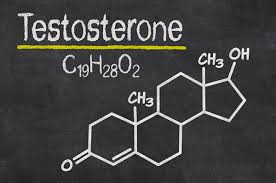
What Is Testosterone?
What is testosterone? At its core, testosterone is the primary androgen hormone in the human body, playing a fundamental role in male development and overall health for both sexes. Chemically, testosterone is a steroid hormone derived from cholesterol, characterized by a specific four-ring structure containing 19 carbon atoms. While often labeled a “male” hormone, testosterone is crucial for everyone, though it is produced in significantly higher amounts in individuals assigned male at birth.
The production of testosterone is a sophisticated process managed by the endocrine system. In men, the vast majority of testosterone is synthesized by the Leydig cells located in the testes. A smaller, yet significant, amount is also produced in the adrenal glands, which sit atop the kidneys. In women, testosterone is produced in the ovaries and the adrenal glands, contributing to essential physiological functions. This production is tightly regulated by the hypothalamic-pituitary-gonadal (HPG) axis, a feedback loop where the brain signals the pituitary gland to release hormones that, in turn, stimulate testosterone release.
Throughout a man’s life, testosterone levels follow a natural curve. They surge during puberty, driving the development of male characteristics, remain high during early and middle adulthood, and then begin a slow, gradual decline. Research indicates that after age 30, testosterone levels decrease by about 1 percent to 2 percent each year. This natural age-related decline is a normal physiological process, but when levels fall significantly below a healthy range, it can lead to noticeable health issues. Understanding what testosterone is is the first step in recognizing its profound impact on well-being.
What Does Testosterone Do in the Body?
What is testosterone’s primary job? It acts as a chemical messenger, influencing numerous bodily systems far beyond just sex drive and muscle. The effects of testosterone are widespread and vital for maintaining health.
- Muscle Mass and Strength: Testosterone is a potent anabolic hormone, meaning it promotes protein synthesis. This process is essential for building and maintaining muscle mass and strength. It helps the body repair and grow muscle tissue after exercise and daily activity.
- Bone Density: Testosterone plays a critical role in bone growth and mineralization. It stimulates bone tissue formation and helps maintain bone density, reducing the risk of osteoporosis and fractures as we age.
- Libido and Sexual Function: This is one of the most well-known functions of testosterone. It is the primary driver of sex drive (libido) in both men and women. In men, it is essential for producing sperm and achieving and maintaining erections.
- Mood and Cognition: Healthy testosterone levels are linked to stable mood, mental sharpness, and good cognitive function. Low testosterone is often associated with irritability, depression, difficulty concentrating, and “brain fog.” The hormone helps maintain a general sense of well-being.
- Red Blood Cell Production: Testosterone stimulates the production of erythropoietin in the kidneys, which in turn signals the bone marrow to produce red blood cells. This is why healthy testosterone levels contribute to good energy levels and overall vitality.
- Fat Distribution: The hormone helps regulate fat metabolism. Healthy levels of testosterone aid in keeping body fat percentage lower, particularly around the abdomen. Low testosterone is often associated with increased belly fat.
Signs of Low Testosterone
When testosterone production drops below optimal levels, a condition often referred to as low T or hypogonadism, it can manifest through a variety of physical, sexual, and psychological symptoms. These signs can be subtle and develop slowly over time, often being mistaken for normal aging.
- Fatigue and Low Energy: A persistent and unexplained drop in energy levels, feeling tired despite adequate rest, and a general lack of motivation are hallmark signs of low testosterone.
- Reduced Libido: A significant decline in interest in sex and a decrease in the frequency of sexual thoughts are two of the most specific indicators.
- Loss of Muscle Mass: You may notice a reduction in muscle bulk and strength, even if your exercise routine remains unchanged.
- Increased Body Fat: Low testosterone can lead to an increase in body fat, particularly around the abdomen, creating a cycle that can further suppress testosterone production.
- Depression and Irritability: Mood swings, persistent feelings of sadness or depression, increased irritability, and a lack of focus are common psychological symptoms.
- Brain Fog: Difficulty concentrating, memory lapses, and a general feeling of mental cloudiness can be linked to low testosterone.
- Erectile Dysfunction: While many factors can cause erectile dysfunction, low testosterone is a significant contributor, as it is essential for the neural and vascular mechanisms of an erection.
- Hair Loss: While genetics plays a large role in male pattern baldness, a drop in testosterone can contribute to a reduction in body and facial hair.
It is important to note that experiencing one or more of these symptoms does not automatically confirm low testosterone, as they can overlap with other conditions. A simple blood test is required to make a proper diagnosis.
How to Increase Testosterone Naturally
For individuals with borderline low levels or those looking to optimize their health, focusing on lifestyle interventions is the first and most crucial step. Understanding what is testosterone helps us see how deeply it is connected to our daily habits. These methods are considered the foundation of healthy testosterone levels.
- Optimize Your Diet: A balanced diet is critical for hormone production.
- Healthy Fats: Testosterone is synthesized from cholesterol, so consuming healthy monounsaturated and saturated fats is essential. Good sources include avocados, nuts, olive oil, and fatty fish.
- Micronutrients: Ensure adequate intake of testosterone-supporting nutrients. Zinc is vital for testosterone synthesis and can be found in oysters, beef, and pumpkin seeds. Vitamin D, which functions as a hormone in the body, is crucial and can be obtained from sunlight, fatty fish, or supplements. Magnesium, found in leafy greens, nuts, and seeds, also plays a key role.
- Limit Sugar and Processed Foods: High sugar intake and processed foods can lead to insulin resistance and weight gain, both of which are linked to lower testosterone.
- Prioritize Strength Training: Exercise, particularly resistance training, is one of the most effective natural testosterone boosters. Compound movements like squats, deadlifts, and bench presses have been shown to produce the most significant acute increase in testosterone. High-intensity interval training (HIIT) can also be beneficial.
- Get Quality Sleep: Sleep is non-negotiable for hormonal health. The majority of testosterone is released during sleep, particularly during REM stages. Aim for 7 to 9 hours of uninterrupted, high-quality sleep per night. Poor sleep patterns are directly linked to reduced testosterone production.
- Manage Stress Effectively: Chronic stress elevates the hormone cortisol, which has a direct inverse relationship with testosterone. Cortisol is a catabolic hormone that blocks the effects of testosterone. Incorporating stress-reduction techniques like meditation, yoga, or spending time in nature can help keep cortisol levels in check.
- Maintain a Healthy Weight: Excess body fat, especially visceral fat around the abdomen, contains an enzyme called aromatase that converts testosterone into estrogen. By losing weight through diet and exercise, you can reduce this conversion and help restore a healthier hormonal balance.
These lifestyle changes are powerful and form the bedrock of healthy testosterone levels. However, for men with clinically diagnosed hypogonadism, there may not be enough to bring levels back into an optimal range.
Testosterone Replacement Therapy (TRT)
When natural methods are insufficient to raise testosterone to healthy levels, and a patient has been diagnosed with hypogonadism, testosterone replacement therapy (TRT) is the standard medical intervention. TRT is a medical treatment designed to restore testosterone levels to a normal physiological range, alleviating the symptoms of deficiency.
Who Qualifies for TRT?
Qualification for TRT is based on two key factors:
- Presence of Symptoms: The patient must exhibit clear signs and symptoms of low testosterone, such as those listed above.
- Bloodwork Confirmation: A blood test must confirm the deficiency, with low levels of testosterone (typically total testosterone) measured on at least two separate mornings, as levels are highest at that time.
Qualifying conditions typically include primary hypogonadism (where the testes do not function correctly) and hypogonadotropic hypogonadism (where the pituitary gland or hypothalamus do not signal the testes properly).
The Importance of Bloodwork and Monitoring
Starting TRT is not a simple one-time decision; it is an ongoing medical process. Before beginning therapy, a comprehensive hormone panel is necessary to get a complete picture of your health. Once on TRT, regular monitoring is essential to ensure safety and efficacy. This involves:
- Follow-up blood tests every 3 to 6 months initially to check testosterone levels and ensure they are within the therapeutic range.
- Monitoring hematocrit (red blood cell count) to prevent the blood from becoming too thick, which can increase clotting risk.
- Assessing prostate health with PSA tests, as testosterone can stimulate prostate tissue.
- Evaluating symptoms to ensure the therapy is working and adjusting dosage if necessary.
Risks of Misuse
Using testosterone without medical supervision carries significant risks. It can lead to cardiovascular issues, sleep apnea, severe acne, testicular shrinkage, infertility, and negative psychological effects like mood swings and aggression. It is a powerful hormone and must be treated with respect under the guidance of a healthcare provider.
Testosterone Cypionate vs Enanthate
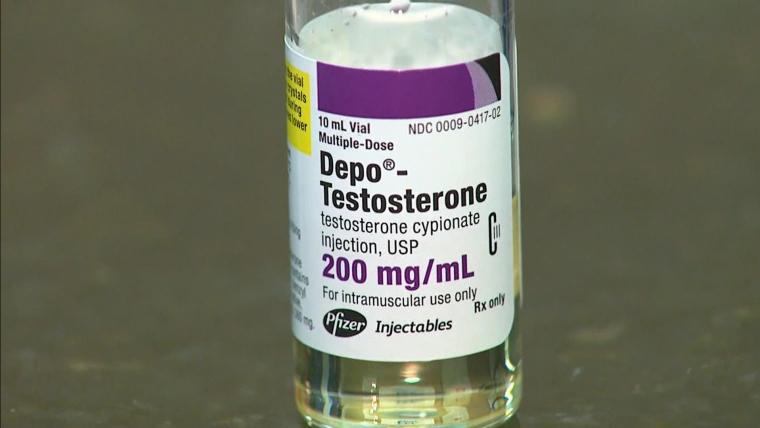
For those prescribed injectable TRT, two of the most common formulations are testosterone cypionate and testosterone enanthate. While they are very similar and often considered interchangeable by healthcare providers, they have slight differences. This information is purely educational; the choice between them should always be made by a medical professional based on individual patient needs.
| Typically, sesame oil is thicker and may be harder to inject. | Testosterone Cypionate | Testosterone Enanthate |
|---|---|---|
| Carrier Oil | Typically, sesame oil, which is thicker and may be harder to inject. | Typically sesame oil, which is thicker and may be harder to inject. |
| Half-Life | Approximately 8 days, usually requiring injection every 1 to 2 weeks. | Approximately 7 to 9 days, offering a slightly longer duration of action. |
| Medical Dosing | Dosage ranges from 50 to 400 mg, injected every 2 to 4 weeks as prescribed. | Dosage ranges from 50 to 400 mg, injected every 2 to 4 weeks as prescribed. |
| FDA Approved Uses | Primarily for primary and hypogonadotropic hypogonadism in males. | Same as cypionate, plus for delayed puberty in boys and metastatic breast cancer in females. |
| Clinical Supervision | Mandatory. Prescribed and monitored by a physician. | Mandatory. Prescribed and monitored by a physician. |
As you can see, the differences are minor and largely related to the carrier oil and marginally different half-lives. Both are effective at raising testosterone levels when used correctly under clinical supervision. It is critical to understand that there is no “better” option for performance enhancement; both are medications for treating a medical condition.
Can You Buy Testosterone Online?
This is a critical question that requires a clear understanding of the law. What is testosterone in a legal sense? In most Western countries, testosterone is classified as a controlled substance due to its potential for abuse and medical importance.
- Legal Status by Country:
- United States: Testosterone is a Schedule III controlled substance. It is illegal to possess or distribute without a valid prescription.
- United Kingdom: Testosterone is a Class C controlled drug and a Prescription-Only Medicine (POM). It can only be legally supplied with a prescription.
- European Union: Across the EU, testosterone is a regulated prescription medicine. Laws vary slightly by member state, but a prescription is universally required.
- Australia: Testosterone is a Schedule 4 (S4) Prescription Only Medicine, meaning it is illegal to buy, own, or use without a prescription.
The Only Legal Pathway to Access Testosterone
The only safe and legal way to buy testosterone is through a legitimate medical process:
- Blood Test: You must get a blood test ordered by a licensed physician to determine your current testosterone levels.
- Physician Diagnosis: If your levels are low and you have symptoms, the physician will make a formal diagnosis of hypogonadism.
- Prescription: The physician will prescribe a specific testosterone medication (like testosterone cypionate or enanthate) at a precise dosage.
- Licensed Pharmacy: You must then fill this prescription at a government-licensed pharmacy, whether a local brick-and-mortar pharmacy or a certified online pharmacy.
Websites or vendors offering to sell testosterone online without a prescription are operating outside the law and selling illicit, potentially dangerous substances. You cannot legally buy testosterone cypionate or buy testosterone enanthate without a valid prescription in the US, UK, EU, or AUS.
Risks of Buying Testosterone Without Medical Supervision
Attempting to buy testosterone online from unverified sources poses enormous risks to your health and legal standing. The dangers go far beyond just breaking the law.
- Counterfeit Products: Illicit “testosterone” sold online is often counterfeit. It may contain dangerous bacteria, heavy metals, other unknown drugs, or no active ingredient at all. It is impossible to verify the safety or contents of black-market drugs.
- Incorrect Dosing: Without bloodwork and medical guidance, you have no idea what dose your body actually needs. Guessing your dose can lead to dangerously high testosterone levels (causing the side effects listed earlier) or levels so low they are useless.
- Hormonal Shutdown: Taking exogenous testosterone without understanding the HPG axis will shut down your body’s natural production. Without proper “post-cycle therapy” (a medical concept, not a DIY project), this shutdown can become permanent, leading to lifelong dependence or irreversible infertility.
- Legal Consequences: Purchasing controlled substances from illicit online sources is a crime. This can result in fines, seizure of property, and even jail time, depending on the quantity and jurisdiction.
- Serious Health Risks: Unmonitored use can lead to life-threatening conditions like pulmonary oil micro-embolism (a blood clot in the lungs), severe cardiovascular events, and liver damage.
By emphasizing these risks, we aim to build authority and trust, steering you away from dangerous paths and towards safe, effective, and legal healthcare.
Safe Pathway to Testosterone Treatment
If you are experiencing symptoms of low testosterone, there is a safe, established, and effective pathway to explore treatment. Do not risk your health on black-market products. Follow this medically sound process:
- Consult a Healthcare Provider: Schedule an appointment with a doctor, urologist, or endocrinologist to discuss your symptoms openly.
- Undergo Comprehensive Bloodwork: The doctor will order a hormone panel, typically drawn in the morning, to measure your total and free testosterone, along with other markers like LH, FSH, and prolactin.
- Receive a Professional Diagnosis: Based on your symptoms and lab results, the doctor will determine if you have clinically low what is testosterone (hypogonadism) and qualify for TRT.
- Obtain a Valid Prescription: If you qualify, the doctor will prescribe an appropriate testosterone therapy, whether gels, injections like testosterone cypionate, or pellets, tailored to your needs.
- Begin Monitored Therapy: You will fill your prescription at a legitimate pharmacy and start treatment under the guidance of your doctor, who will schedule regular follow-up appointments and blood tests to monitor your progress and adjust dosage as needed.
This is the only safe and legal way to address a testosterone deficiency.
Explore Available Testosterone Options
For those who have gone through the proper medical channels and received a prescription, accessing high-quality medication is the next step. It is vital to source your prescription from a trusted, verified, and licensed pharmacy to ensure you are receiving genuine, safe, and effective products.
If you are looking for a reliable source to fill your prescription, we recommend working with a trusted provider that prioritizes patient safety and medication quality. To view injectable testosterone products and learn more about the options available to you with a valid prescription, you can visit the shop here:
Explore available testosterone options at Anabolic Steroid Shop
This platform provides access to pharmaceutical-grade products for individuals with a legitimate medical need and a valid prescription. Remember, your health and safety depend on using regulated, licensed sources for your medication. Always consult a medical professional before starting any hormone therapy.
Frequently Asked Questions
1. What is testosterone?
Testosterone is the primary male sex hormone (androgen) responsible for the development of male reproductive tissues, muscle mass, bone density, libido, and overall vitality. It is produced in the testes in men and in smaller amounts in the ovaries and adrenal glands in women.
2. How can I increase my testosterone naturally?
Natural methods to boost testosterone include maintaining a healthy weight, getting 7 to 9 hours of quality sleep, managing stress, performing strength training exercises (like lifting weights), and eating a balanced diet rich in healthy fats, zinc, and vitamin D.
3. What is Testosterone Replacement Therapy (TRT)?
TRT is a medical treatment for men diagnosed with hypogonadism (clinically low testosterone). It involves supplementing the body’s natural production with exogenous testosterone via gels, injections (like testosterone cypionate), or pellets to restore levels to a normal range.
4. What is the difference between testosterone cypionate and enanthate?
Both are common injectable forms of testosterone for TRT. The main differences are the carrier oil (cottonseed oil for cypionate, sesame oil for enanthate) and a slightly different half-life (cypionate approximately 8 days, enanthate approximately 7 to 9 days). Medically, they are very similar and used interchangeably.
5. Can I buy testosterone online?
You can only legally buy testosterone online from a licensed pharmacy with a valid prescription from a licensed healthcare provider. Purchasing testosterone from websites offering it without a prescription is illegal and extremely dangerous.
6. Is it safe to buy testosterone cypionate from an online source without a prescription?
No, it is never safe. Testosterone is a controlled substance. Buying it without a prescription means the product is unregulated and could be counterfeit, contaminated, or incorrectly dosed, posing severe health and legal risks.
7. Where to buy testosterone safely?
The only safe place to buy testosterone is from a government-licensed pharmacy ( Anabolic steroids Shop ) after you have obtained a valid prescription from a doctor who has diagnosed you with a deficiency through bloodwork.
8. How do I know if I have low testosterone?
Symptoms include persistent fatigue, low libido, erectile dysfunction, loss of muscle mass, increased body fat, depression, and brain fog. The only way to confirm is through a simple blood test ordered by a doctor.
Disclaimer: This article is for informational purposes only and does not constitute medical advice. Always consult with a qualified healthcare pro